Community Solutions

” Vision with Action can change the world. “
NELSON MANDELA
Philippi Collective Network (PCN)
Amandla coordinates the Philippi Collective Network (PCN), a consortium of over 60 organizations and government departments, dedicated to breaking the cycle of poverty and tearing down barriers to learning.
Collaborative solutions are our strength. For instance, our data quickly showed that teen pregnancy, hunger, not having a sense of belonging, crime and not feeling safe, coupled with illness due to HIV infection correlated with high drop out rates. In addition, we learned that some youths in and around Philippi did not feel safe going to clinics, were rarely tested for HIV infection, did not know how to access sexual health education, HIV prevention, or family planning resources.
Once we were able to clearly see the barriers, we were able to partner with other organizations to bring services to the youths and to also create youth-friendly clinic space within our Safe Spaces to increase access to sexual health services and counseling in stigma-free, youth-friendly environments. The results have been rewarding: HIV testing among youth has risen from 10% to over 80%, teenage pregnancy has gone down by over 40% and school retention has increased tremendously.
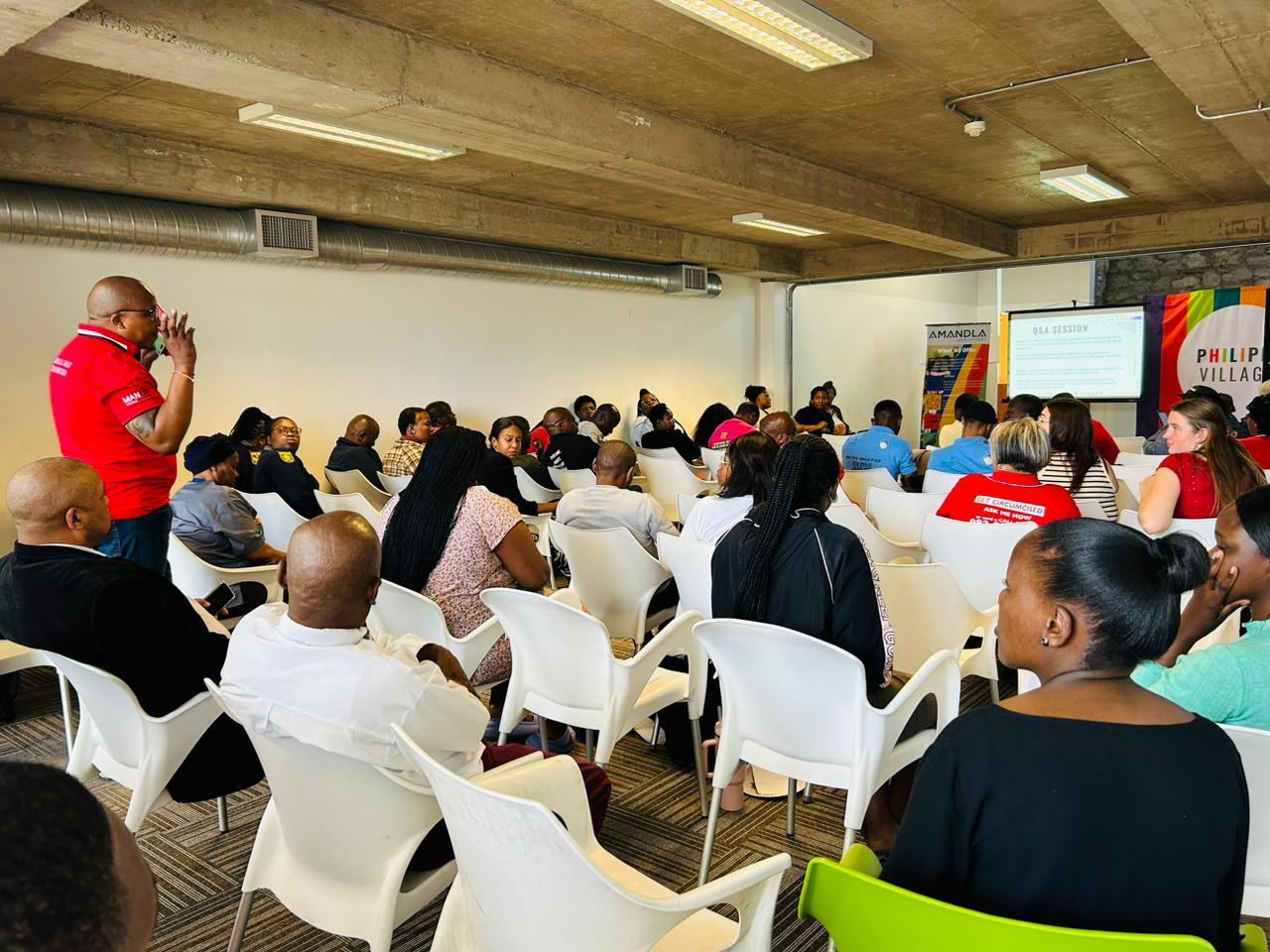
With our partners, we are able to tackle literacy and numeracy as well as school readiness, with double-digit improvements in a little over a year. Our Literacy Working Group collaborates to run reading competitions and foster a culture of reading for meaning in collaboration with the libraries. Our ECD Working Group helps to ensure that children in their early years are fully immunised, bringing clinics into their centers for this initiative, and educates parents on the values of reading to their children, implementing the Book Sharing strategy in collaboration with Mikhulu Trust. Our Domestic Violence Working Group ensures safety in the communities and schools, so that children continue to be safe to continue with their education journey, and our Sexual Reproductive Health Working Group ensures the health of the children is taken care of and that they do not skip school due to circumstances that can be avoided. All this is so that we are all “speaking the same language” in terms of supporting children and youths, from cradle to career.
More still needs to be done.
Academic deficits that begin early seem to erode a learner’s confidence and her ability to rebound from setbacks. As we learn more, we find more ways to work with our partners and our community to improve retention rates and provide learners with the life skills, support, and resources they need to break the cycle of poverty.


